Wisconsin Consumer Act and Personal Loans — Your Borrower Rights
KM
Katy McWhirter
Finance & Loans Editor · Updated August 2026

Katy McWhirter
Finance & Loans Editor · Updated August 2026
Did you know that nearly 40% of Wisconsin adults have taken out a loan in the past two years? Understanding your rights as a borrower is critical, especially when it comes to personal loans. The Wisconsin Consumer Act (WCA) is designed to protect individuals like you from unfair lending practices and ensure transparency throughout the borrowing process. This article will break down what the WCA means for you in 2026, covering everything from interest rate caps to dispute resolution. In 2026, average personal loan amounts in Wisconsin range from $1,000 to $5,000, with APRs typically falling between 8% and 36%, depending on creditworthiness and lender policies. These rates can fluctuate based on economic conditions and federal reserve decisions. Working through the world of personal loans can be complex, but knowing your rights under the WCA lets you to make informed financial choices.
The Wisconsin Consumer Act is a complete set of laws that controls many types of consumer credit deals, like personal loans. First created in 1978, it has been updated several times to keep up with changes in lending and shield borrowers from unfair practices. Basically, the WCA creates rules for lenders who do business in the state, covering things such as interest rates, fees, what information they need to share, and how they can collect payments. It mainly applies to loans under $25,000 – bigger loans usually follow different rules. For example: a $10,000 loan at 12% APR over 36 months would mean monthly payments of about $332, for a total of $11,952 repaid to the lender. But with the WCA, lenders must show you this full cost clearly before you sign anything. A typical problem borrowers have is looking only at the monthly payment and not figuring out the total interest they’ll pay. To prevent that, always request an amortization schedule showing each payment and how much of it goes to interest. Another issue is not understanding all the fees – charges for starting the loan, late payments, or paying it off early can really add to the loan's actual cost.
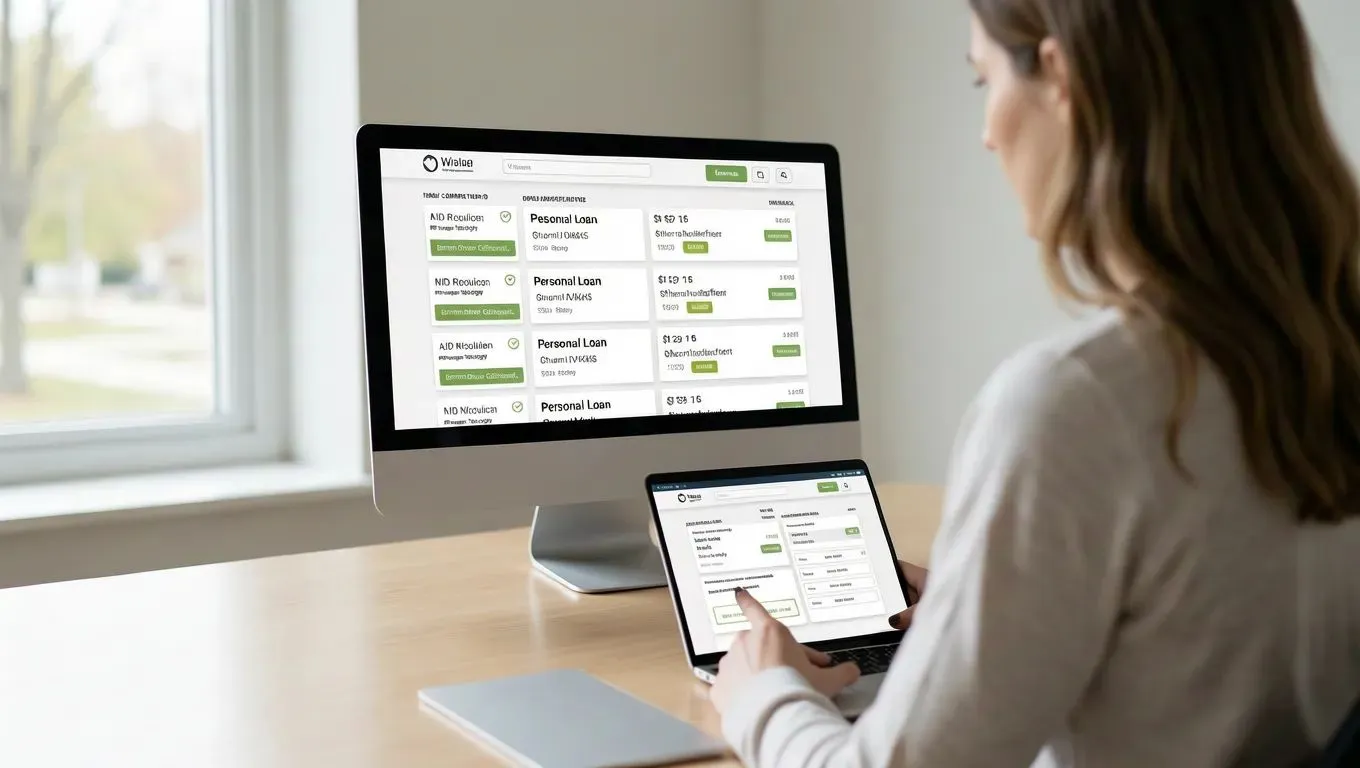
The WCA provides several key protections for personal loan borrowers. First, it limits the maximum interest rate lenders can charge; in 2026, this cap is typically around 18%, though exceptions may apply depending on the specific loan type and lender. Second, it requires lenders to provide clear and conspicuous disclosures of all loan terms, including APR, fees, payment schedule, and any penalties. Third, it establishes rules for fair collection practices, preventing harassment or deceptive tactics. For example, if you have a 650 credit score and need $8,000 for home improvements, the WCA ensures that lenders competing for your business provide comparable information, allowing you to easily compare offers. It’s crucial to remember that the WCA doesn't guarantee loan approval. Lenders still assess your creditworthiness, income, and debt-to-income ratio. To proactively protect yourself, always review the entire loan agreement carefully before signing – don’t hesitate to ask questions about anything you don't understand. It is also wise to keep copies of all loan documents for at least seven years.
The Wisconsin Department of Financial Institutions (DFI) is the primary regulatory body overseeing personal loans and enforcing the Wisconsin Consumer Act. They are responsible for licensing lenders, conducting investigations into complaints, and taking enforcement actions against those who violate WCA provisions. The DFI also provides educational resources for borrowers to help them understand their rights and responsibilities. Comparing two hypothetical lenders – Lender A (a large national bank) and Lender B (a smaller credit union) – reveals differences in compliance practices. While both must adhere to the WCA, Lender B might offer more personalized customer service and be more responsive to borrower concerns due to its community focus. According to data from the Federal Reserve, Wisconsin consistently has a lower rate of consumer complaints related to personal loans compared to national averages, indicating generally strong regulatory oversight. However, this doesn't eliminate the need for individual vigilance. The CFPB (Consumer Financial Protection Bureau) also plays a role by providing nationwide protections and investigating systemic issues in the lending industry. Warning: Be cautious of lenders who are not licensed by the Wisconsin DFI or operate outside of state regulations.
If you believe a lender has violated your rights under the Wisconsin Consumer Act in 2026, several steps can be taken. First, attempt to resolve the issue directly with the lender by documenting all communication and outlining your concerns in writing. If this proves unsuccessful, you can file a formal complaint with the Wisconsin DFI through their website or by mail. The DFI will investigate your complaint and may mediate a resolution between you and the lender. For more complex cases, consider consulting with an attorney specializing in consumer finance law. WiscLoans’s marketplace connects you with multiple lenders offering personal loans in Wisconsin, allowing you to compare rates and terms from various providers. Remember to carefully review each lender's qualifications and compliance history. Taking control of your financial future starts with understanding your rights and knowing where to turn for help. Don't hesitate to seek assistance if you feel you’ve been treated unfairly – informed borrowers are equipped borrowers.
For related paths to funding, many readers also explore payday loan alternatives wisconsin and faq.