WiscLoans connects you with lenders offering competitive rates and flexible terms. We’re committed to helping Wisconsin residents find the financial solutions they need.
No hard credit pull · Takes 2 minutes
Won't impact your credit score
Complete our simple online form. Provide basic information about your debts and financial situation – it's quick and easy. No obligation!
We’ll match you with multiple Wisconsin lenders offering personalized loan options based on your profile. Review rates, terms, and fees to find the best fit.
Choose the loan that works for you and complete the lender’s application process. Once approved, funds are typically deposited quickly into your account.
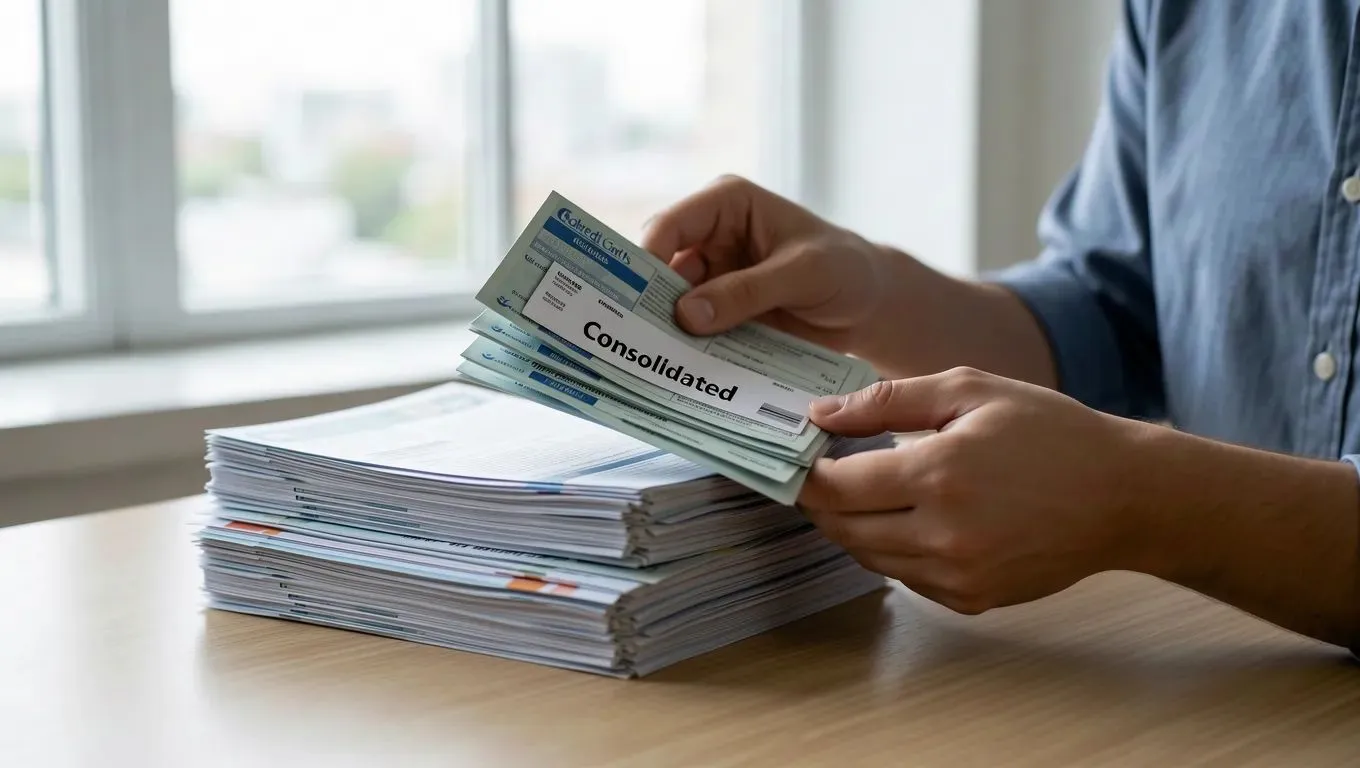
Debt consolidation is a process of taking out a new loan to pay off multiple existing debts, like credit cards, medical bills, and other personal loans. In Wisconsin, this can be an effective strategy for simplifying your finances and potentially lowering your monthly payments. A personal loan is the most common method used for debt consolidation, but it’s not the only option. Other methods include balance transfer credit cards or a home equity loan. The average APR range for personal loans in Wisconsin in 2026 is between 6%–36%, depending on your creditworthiness and the lender. Typical loan amounts range from $1,000 to $40,000, though this can vary significantly. While a no hard credit check loan might seem appealing, they often come with much higher interest rates and fees. Wisconsin borrowers should carefully compare all options before making a decision.
A unique consideration for Wisconsin residents is Chapter 128 bankruptcy, also known as the 'Wisconsin Debt Consolidation Plan'. This state-specific program offers an alternative to traditional bankruptcy, allowing individuals to consolidate debts through court supervision. However, it has specific eligibility requirements and may not be suitable for everyone. Understanding whether a personal loan debt consolidation or Wisconsin Chapter 128 is the best course of action requires careful evaluation of your financial situation. Approval rates in 2026 typically favor borrowers with credit scores above 620, but some lenders specialize in working with lower credit scores.
Simplifying your payments and potentially reducing interest charges are key benefits of debt consolidation, but be sure to assess whether you’re addressing the underlying spending habits that led to debt accumulation. Before proceeding, review your budget and create a plan for responsible borrowing and repayment. Taking advantage of free credit counseling services in Wisconsin can provide valuable insights and guidance.
| Method | Typical APR Range (for 2026) | Loan Amounts | Credit Score Needed | Pros |
|---|---|---|---|---|
| Personal Loan | 6%–36% | $1,000 - $40,000 | 620+ | Fixed rates & terms; potentially lower payments. |
| Balance Transfer Credit Card | 15%–25% | Up to credit limit | Fair/Good | Introductory 0% APR periods possible. |
| Home Equity Loan (HELOC) | 4%–9% | Based on home equity | 680+ | Potentially lower rates; tax benefits. |
| Chapter 128 Bankruptcy | Varies - court determined | Dependent on income/debts | N/A | State-specific debt relief option; structured repayment plan. |
| Debt Management Plan (DMP) | Varies - counselor determined | Dependent on debts | All Credit Types | Credit counseling support, reduced fees. |
Debt consolidation doesn't work for everyone. In 2026, it’s important to look closely at your finances before you decide. Recent reports from the DFI show that Wisconsin residents thinking about consolidation usually owe between $5,000 and $15,000 on average. One important thing is your debt-to-income ratio (DTI); most lenders like to see a DTI under 43%. It’s also smart to compare the overall cost of consolidating – including interest and fees – with what you're paying now. Consolidating debt with high interest rates can lower your costs over time, but only if you get a better APR than you currently have.
A key step is reading the fine print on any loan offer. Look for prepayment penalties, origination fees, and late payment charges. In Wisconsin, lenders must tell you about all fees upfront. Also, think about how you spend money; if you keep adding debt after consolidation, your finances could get worse. About 20% of people who consolidate debts without changing their spending habits default on their loans within a year.
If you live in Wisconsin and have a credit score below 600, getting a consolidation loan might mean looking for lenders that work with bad credit loans or finding someone to co-sign your loan. Keep in mind these options usually have higher interest rates and more restrictions. Before applying, check your credit report for mistakes and correct any errors—this could help you get approved.
Don't settle for the first offer you receive. Compare rates from multiple Wisconsin lenders to find the lowest APR available.
A higher credit score can qualify you for better loan terms and interest rates. Pay bills on time and reduce your credit utilization ratio before applying.
Develop a budget that allows you to comfortably make your monthly loan payments while also addressing other financial obligations. Stick to your budget!
If you have limited credit history or a low credit score, adding a co-signer with good credit can increase your approval odds and secure better terms.
Quick access to funds when you need them most.
We connect you with lenders offering competitive APRs in Wisconsin.
Your personal information is protected with our advanced security measures.
Our team is here to answer your questions and guide you through the process.
Adjust the sliders to see an instant estimate. Actual rates depend on your credit profile.
* Estimate only. Actual rate and terms depend on lender approval.
Estimated Monthly Payment
$332.14
per month for 36 months
No impact on your credit score